If you’re concerned about Alzheimer’s disease and think there’s nothing you can do to reduce your risk this research will give you a lot of hope. There is a science-based nutrition protocol developed by Neurologist Dr Dale Bredesen that is being used to reverse Alzheimers and is now well documented.
It is called The ReCODE® (Reversal of Cognitive Decline) protocol. First introduced in 2014, the programme takes a comprehensive, functional medicine approach to supporting cognitive health.
The ReCODE protocol places a strong emphasis on nutrition, alongside regular exercise, good-quality sleep, stress management, and addressing other factors that may contribute to cognitive decline.
From a nutritional perspective, Dr Bredesen recommends:
- A minimum of 12 hours of overnight fasting, with the aim of encouraging periods of ketosis for some individuals.
- Maintaining healthy blood sugar regulation, including keeping fasting insulin levels low (he suggests a target of around 4.5 μIU/mL or below, where appropriate).
- Following a low-glycaemic Mediterranean-style diet rich in colourful vegetables, olive oil, herbs, nuts, seeds, and whole fruits.
- Choosing pasture-raised eggs and poultry, and grass-fed meat, which is eaten in moderation rather than as the centrepiece of every meal.
- Eating wild-caught seafood where possible, while limiting large predatory fish such as shark, swordfish, and some tuna species because they can contain higher levels of mercury and other environmental toxins.
- Including plenty of oily fish, particularly the “SMASH” fish: salmon, mackerel, anchovies, sardines, and herring, which are excellent sources of omega-3 fats that support brain health.
What does this have to do with gut health? Well, one of the key factors of Dr Bredesen’s work is around reducing inflammation, reducing inflammation in the body reduces risk of Alzheimer’s (and other mental health issues). As we know that most inflammation comes from the gut, by improving and optimising your gut health, this reduces inflammation in the body and helps to protect the brain.
When you get the results of a microbiome test back, like the Microba Explorer Comprehensive. This test shows you how much inflammation you have in the gut, and because it also includes LPS (a type of inflammation that comes from microbes) and histamine markers. We can work out how much of the inflammation is coming from the microbiome and what is coming from food or other sources. Using something like a FIT (food inflammation test) we can see which foods in our diet are provoking inflammation.
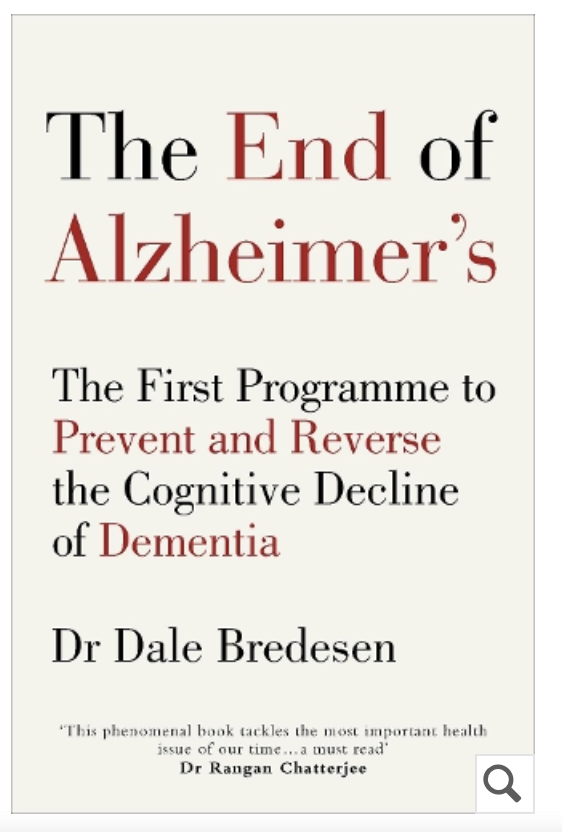
If you’re interested in learning more, Dr Bredesen has written two excellent books: The End of Alzheimer’s and The Ageless Brain. Whether you’re looking to support your cognitive function now or reduce your future risk of cognitive decline, these books provide an accessible overview of his approach and the science behind it.